
"The building is 100% occupied" sounds like the end of the conversation. For anyone trying to understand how a rental property actually performs, it's closer to the beginning. An occupancy rate is a snapshot: it tells you how many homes had a resident on one particular day. It doesn't tell you how long the empty ones sat, why they sat, or how much rent was never collected in between.
That is why experienced operators pay close attention to a quieter measure: days vacant, the number of days a home goes without a paying resident between one lease and the next. This article explains, conceptually, why that number often says more than the headline. It is educational context, not a securities offering, an investment recommendation, or legal, tax or financial advice.
A snapshot can't see the gaps
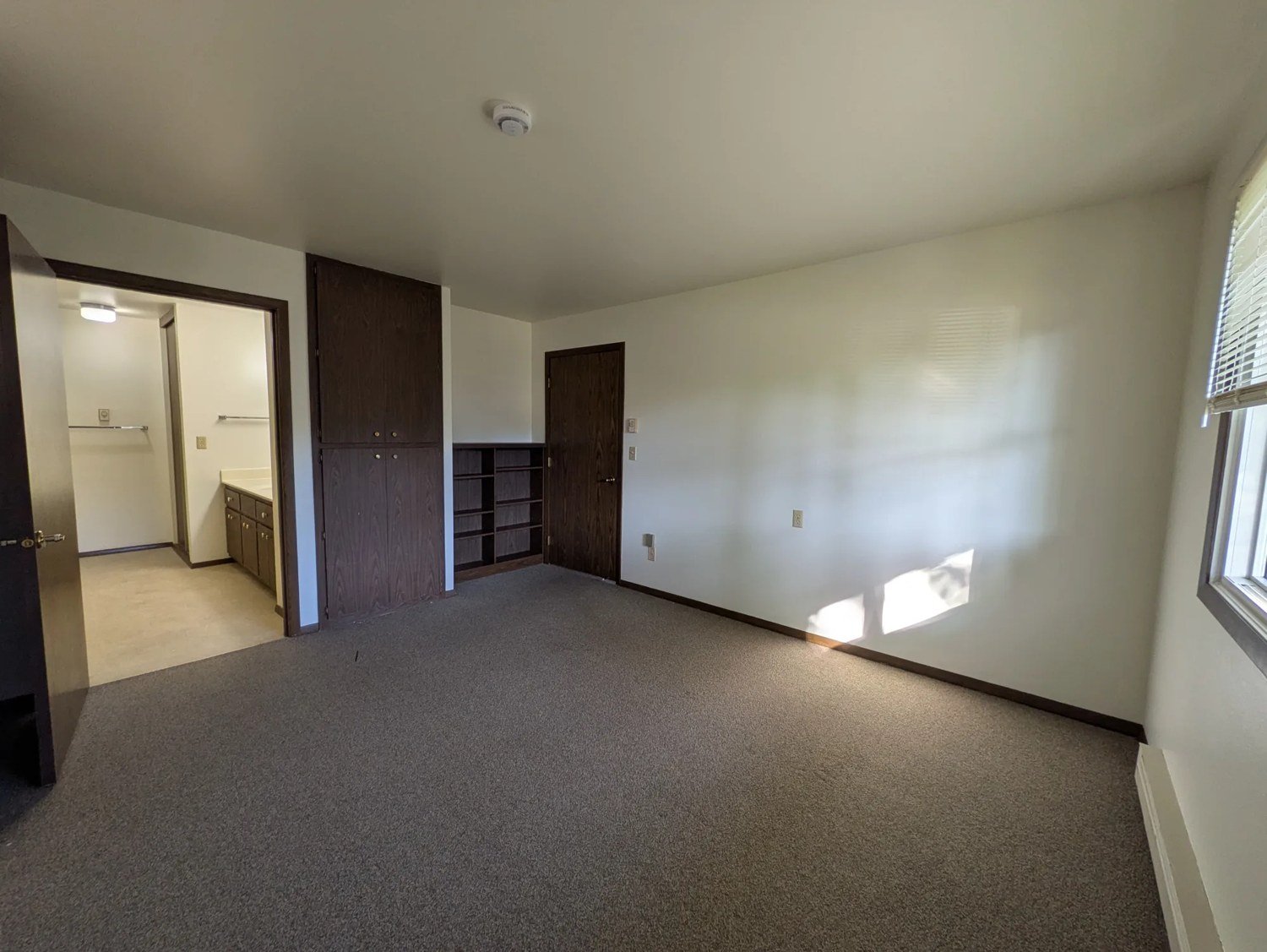
Occupancy is usually measured on a single date, often the first of the month. Picture two buildings that both report full occupancy on the first. In the first building, a resident moved out and the next one moved in a few days later. In the second, a unit sat empty for most of the previous month and was only filled the day before the count. On paper the two look identical. In practice, one lost a few days of rent and the other lost most of a month.
The snapshot also hides what's coming. A building can be full today with several leases ending in the same few weeks and no renewal conversations underway. The rate looks healthy until, suddenly, it doesn't.
Where vacant days come from
Every move-out starts a clock. The days on that clock usually come from a handful of predictable places:
Notice that arrives late or gets acted on late. If a move-out isn't known, or isn't planned for, until the resident is already gone, nothing can be prepared in advance.
Waiting to inspect. The home can't be scoped for repairs until someone walks it, takes photos and writes a punch list.
The make-ready itself. Cleaning, paint, flooring, appliance repairs and anything larger. Vendor availability matters, and it isn't the same in every Wisconsin town or in Dubuque, Iowa.
Ready but not listed. A finished unit with no photos, an inaccurate listing or a listing that never went live is one of the most avoidable sources of lost time.
Listed but hard to see. If touring depends on matching a staff member's schedule, interested people move on. Self-guided tours with smart locks, which many Patriot Properties homes offer, remove that bottleneck.
Slow follow-through. Unanswered inquiries, incomplete applications nobody chases, or approved applicants with no clear move-in date.
Pricing out of step with the local market. An asking rent well above what similar nearby homes are actually leasing for can stretch a vacancy far longer than a modest adjustment would have.
None of these is dramatic on its own. Added together, they're the difference between a short, planned gap and a long, expensive one.
Why a "full" property can still be losing rent
Rent that isn't collected during a vacancy is gone for good; it isn't made up later by a strong month. That makes days vacant a more direct way to see lost income than the occupancy rate is. A property that turns units quickly can tolerate more move-outs than one where every turn drags. A property with slow turns can report respectable occupancy and still quietly underperform.
The quality of the occupancy matters too. Rushing to fill a unit with whoever can move in this weekend, instead of applying the same published screening criteria every time, can trade a short vacancy now for an early move-out, a collections problem or a harder turn later. Consistent criteria also matter for fair housing compliance. The goal is fewer vacant days over time, not the fastest possible signature on any single lease.
What an operator watches instead of a single number
Rather than relying on one percentage, a careful operator tends to track the turn as a sequence and ask where each day went:
Upcoming move-outs and renewals. Knowing which leases end soon, and starting renewal conversations early, turns surprises into plans. A renewal avoids the make-ready, the listing and the screening cycle entirely.
Move-out to inspection. How quickly the home is walked and the punch list written.
Inspection to rent-ready. How long the make-ready takes, and whether delays came from scope, materials or vendor scheduling.
Rent-ready to listed. Ideally very little time; ideally the listing is prepared before the work is done.
Listed to leased, and leased to move-in. Tour activity, applications, and how quickly an approved applicant actually starts paying rent.
Broken into stages, a long vacancy stops being a mystery. It becomes a specific, fixable step: a slow inspection, a vendor backlog, a listing that never went up, or a price that needs another look.
How maintenance and renewals reduce vacant days
The fastest turn is the one that never happens. Residents are more likely to renew a home that works, which means routine repairs that get logged, scheduled and closed, and real emergencies that get a real response. Deferred maintenance tends to show up later as a bigger, slower make-ready.
When a turn is necessary, preparation shortens it: walking the unit before the move-out date when the lease and Wisconsin law allow proper notice of entry, ordering materials early, and lining up the listing so it can go live the day the work is finished. (Entry notice and other landlord-tenant rules differ between Wisconsin and Iowa; this article is general information, not legal advice.)
Questions worth asking
Whether you own rental property or simply want to understand how it's run, a few questions get past the headline number:
When a unit turns over, how long does it usually sit, and where does that time go?
How early do renewal conversations start before a lease ends?
How soon after move-out is a unit inspected and listed?
Can people tour without waiting for a staff member?
When a vacancy runs long, what's the process for reviewing price, condition and follow-up?
A good operator should be able to answer those plainly, with records behind the answers.
Questions?
Patriot Properties manages apartments and homes across Wisconsin and in Dubuque, Iowa, from our office at 204 Moravian Valley Rd, Suite N, Waunakee, WI 53597, Monday to Friday, 9 a.m. to 5 p.m. Call (608) 849-6500 or text or call (608) 999-9775. If you're looking for a home, see our available apartments.
Own rental property in Wisconsin or Iowa?
See what our team handles for owners on the Property Management Services page, or email clients@patriot-properties.com.
Patriot Properties is an equal housing opportunity provider. This article is educational and is not a securities offering or legal, tax or investment advice. Legal topics vary by state, and Iowa rules differ from Wisconsin's.