
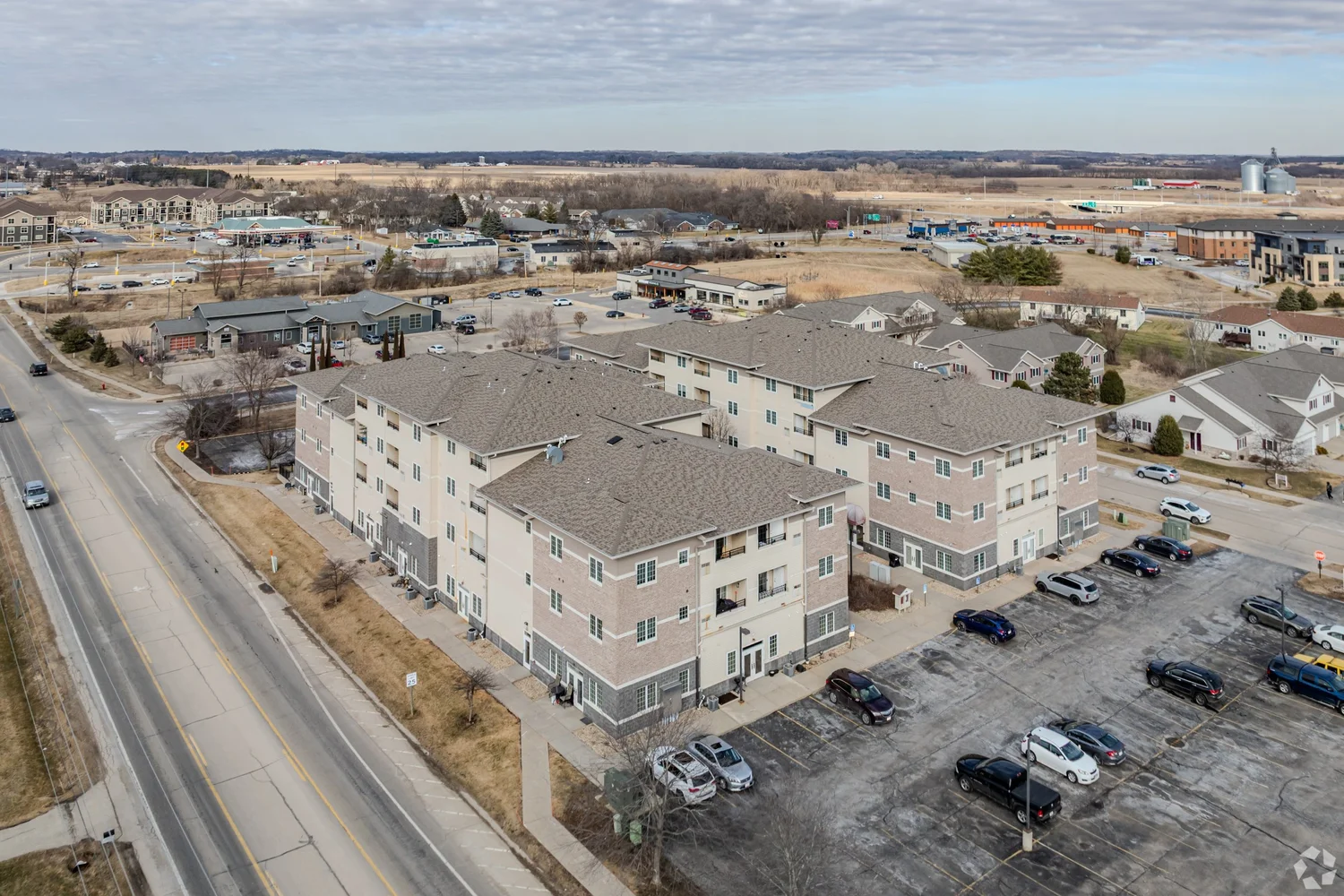
People often look at a rental property as three separate questions: Is it full? Are the repairs getting done? How long does it take to rent a vacant unit? A local operator tends to treat those as one system. Occupancy depends on how quickly a vacant home is made ready and leased. Leasing depends on the condition of the unit and how easy it is to tour. Maintenance response affects both, because residents who can't get a basic repair handled are more likely to leave, and deferred problems make the next turnover harder.
This article is educational context for owners, managers and anyone trying to understand how that system works on the ground in Wisconsin and Iowa. It is not a securities offering, not a recommendation to buy or sell any investment, and not legal, tax or financial advice.
Occupancy is more than a percentage
A single occupancy figure can hide a lot. A building can look "full" on the first of the month and still have a unit that has been quietly empty for weeks, or a cluster of leases ending at the same time with no renewal conversations underway.
Operators usually watch a few quieter measures alongside the headline number:
- Days vacant, not just whether a unit is occupied today. A short gap after a planned move-out is normal. A unit that sits ready but unlisted, or listed but hard to tour, is a process problem.
- Renewals versus turnovers. Keeping a resident who pays on time and takes care of the home often avoids a turn: cleaning, repairs, listing, showings and the risk of a longer vacancy. Turnover is sometimes the right call. It should be a decision, not a surprise.
- The quality of the occupancy. Filling a unit with the first applicant who can move in this weekend is not the same as filling it with someone who meets the published screening criteria. A vacancy is expensive. An occupancy that fails quickly can be more expensive.
- Make-ready time. Occupancy drops the day a resident moves out, but the clock that matters is how long it takes to inspect, repair, clean, photograph and list the home. Slow turns show up later as weak occupancy, even if leasing staff are working hard.
Local conditions matter. Leasing demand, weather and the time it takes a vendor to reach a property are not the same in every Wisconsin town, or between Dane County and a smaller market, or between Wisconsin and Dubuque.
Maintenance response is part of asset care
Maintenance is often treated as a cost line. It's also how a building either holds together or slowly comes apart.
Routine requests — a dripping faucet, a running toilet that isn't overflowing, a broken closet door, one outlet that doesn't work — should be logged, scheduled and closed with notes. The log is how a pattern becomes visible: the same repair three times may mean a replacement is overdue, or that the last repair didn't hold.
Emergencies — active flooding, a complete loss of heat, a complete loss of power, a gas smell, sewage backup — can't wait for the next business day. In a Wisconsin winter, a heat outage is not a "we'll look at it Monday" item. Wisconsin law also gives landlords repair and habitability duties that cannot be waived in a residential lease (Wis. Stat. 704.07). This article doesn't try to interpret every owner's or resident's rights under that statute; it simply notes that delayed response on a serious condition is both an operational problem and a legal one.
Response quality has a few ingredients besides speed. Residents need a clear path to report a problem; Patriot Properties residents submit routine requests through the tenant portal and can call a 24/7 emergency line at (608) 567-5070. Prioritizing has to be honest: a cosmetic item is not a 2 a.m. dispatch, and a spreading leak is not routine. Photos, completion notes and invoices tied to a unit help an owner see what was done and help the next technician. Preventive work — filters, heat checks before a cold snap, knowing which buildings have older water lines — rarely looks dramatic, but it often keeps the emergency from happening.
Good maintenance response supports occupancy because people are more likely to renew a home that works. It supports leasing because a well-maintained unit shows better and is ready sooner after a move-out.
Leasing is a process, not a listing
A listing is only one step. Leasing, as an operator thinks about it, is the path from a ready unit to a qualified resident who actually moves in. The steps that usually determine the timeline are straightforward:
- The unit is genuinely ready to show, not "ready except for the carpet and the missing photos."
- The listing is accurate: rent, what's included, the pet policy, the move-in date and clear pictures of the actual home.
- Interested people can tour it without a long delay. Many Patriot Properties homes offer self-guided tours with Bluetooth-enabled smart locks, which removes a common bottleneck: waiting for a staff member to meet someone at the door.
- The application and screening process is consistent and documented. Published criteria, applied the same way each time, protect applicants and owners. Fair housing law requires it.
- Someone is watching follow-through: incomplete applications, a tour that didn't convert, or a unit priced far off what similar homes nearby are actually leasing for.
Pricing belongs in this conversation, carefully. Asking more than the local market will bear can extend a vacancy. Discounting immediately, without looking at tour volume or the condition of the unit, can leave money on the table. An operator looks at the evidence — activity on the listing, feedback from tours, time already vacant — rather than at a single nationwide average.
Leasing also has to stay aligned with maintenance. If showings start before the make-ready is finished, applicants see the wrong version of the home. If a serious repair is discovered after a lease is signed, the new resident's first impression is a work order.
How the three pieces fit together
When occupancy, maintenance and leasing are in sync, the pattern looks almost ordinary: renewals are discussed before a lease ends; routine repairs are closed out; a move-out produces an inspection, a punch list and a listing; tours happen while the unit still looks the way the photos promised; and the next qualified resident starts on a known date. When they drift apart, the symptoms are familiar too: a vacancy that isn't really on the market yet, an emergency that was first reported as a minor leak weeks earlier, or a unit that keeps turning over because the underlying problem was never fixed.
None of that requires a headline performance number to understand. It requires a local team that can see the unit, reach it, and keep a record of what happened.
Questions?
Patriot Properties manages apartments and homes across Wisconsin and in Dubuque, Iowa, from our office at 204 Moravian Valley Rd, Suite N, Waunakee, WI 53597. If you'd like to talk about management for a property you own, call (608) 849-6500 Monday to Friday, 9 a.m. to 5 p.m., text or call (608) 999-9775, or visit our property management page. If you're looking for a rental, start with our live listings.
Own rental property in Wisconsin or Iowa?
See what our team handles for owners on the Property Management Services page, or email clients@patriot-properties.com.
Patriot Properties is an equal housing opportunity provider. This article is educational and is not a securities offering or legal, tax or investment advice.